
Peshawar, Bruised and Breathing
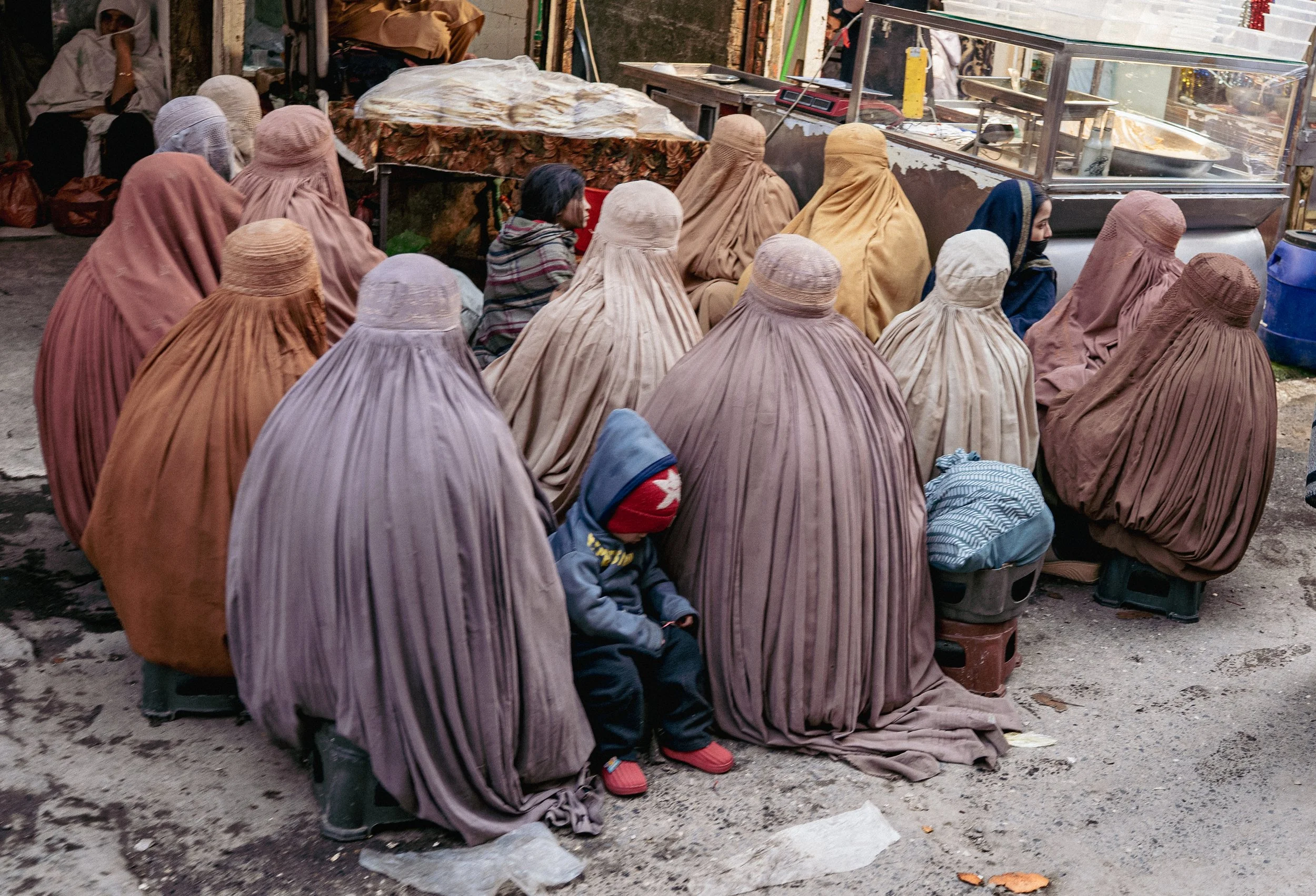
Peshawar.
Where do I even place the first word?
This city doesn’t speak in sentences, it moves in pulses. Arteries of dust and diesel, chai steam and burnt sugar, stitched together by hands that never made it into the history books. Unheard tribes, old lineages, languages chewed and softened on the tongue – all of them leaving fingerprints on stone, brick, cloth, the air itself.
You may not call it witness.
But what else do you call a city that looks back at you like a wary child – tender, slightly suspicious, her eyes fuller than your own with dreams you never learned to name?
There is a bruised aesthetic here.
It doesn’t arrive with drama; it climbs you slowly. It starts in the soft blue paint flaking off a doorway, in the crack of a prayer call over traffic, in the way a shopkeeper folds brown paper around your purchase as if he’s wrapping a wound. It pinches your heart, then grips. You want to reach out, to console, to apologise for something you cannot fully describe – and yet you hesitate, careful, because you remember.
You remember that this soil has swallowed more than its share of human fragments.
You remember that bodies here have been shredded into unrecognisable parts, that explosions have rewritten family trees in seconds. The ground doesn’t tell you this in words; it hums it into your feet.
I am not Pakhtun.
I’m not even sure any city from this land was allowed into my early memory. I was an uprooted child, taught to belong somewhere else, always somewhere else. And yet, in Peshawar, I look into her eyes and something in me is recognised – the quiet archive of scars, the way survival becomes a kind of posture.
Because despite everything, she breathes.
She opens shop shutters at dawn. She sweeps pavements. She measures lentils. She irons school uniforms. Her work ethic is a kind of prayer I have never seen before – relentless, unadorned, almost ashamed of its own heroism. There is grit here that puts you to shame if you are honest. There is dignity in the way people keep showing up, again and again, to a city that has not always protected them.
Maybe this is how you witness heroes:
not with statues, not with perfect narratives,
but by standing in a bruised street in Peshawar,
letting her pulse tangle with your own,
and finally admitting that she has been carrying you, too,
long before you learned to say her name.