
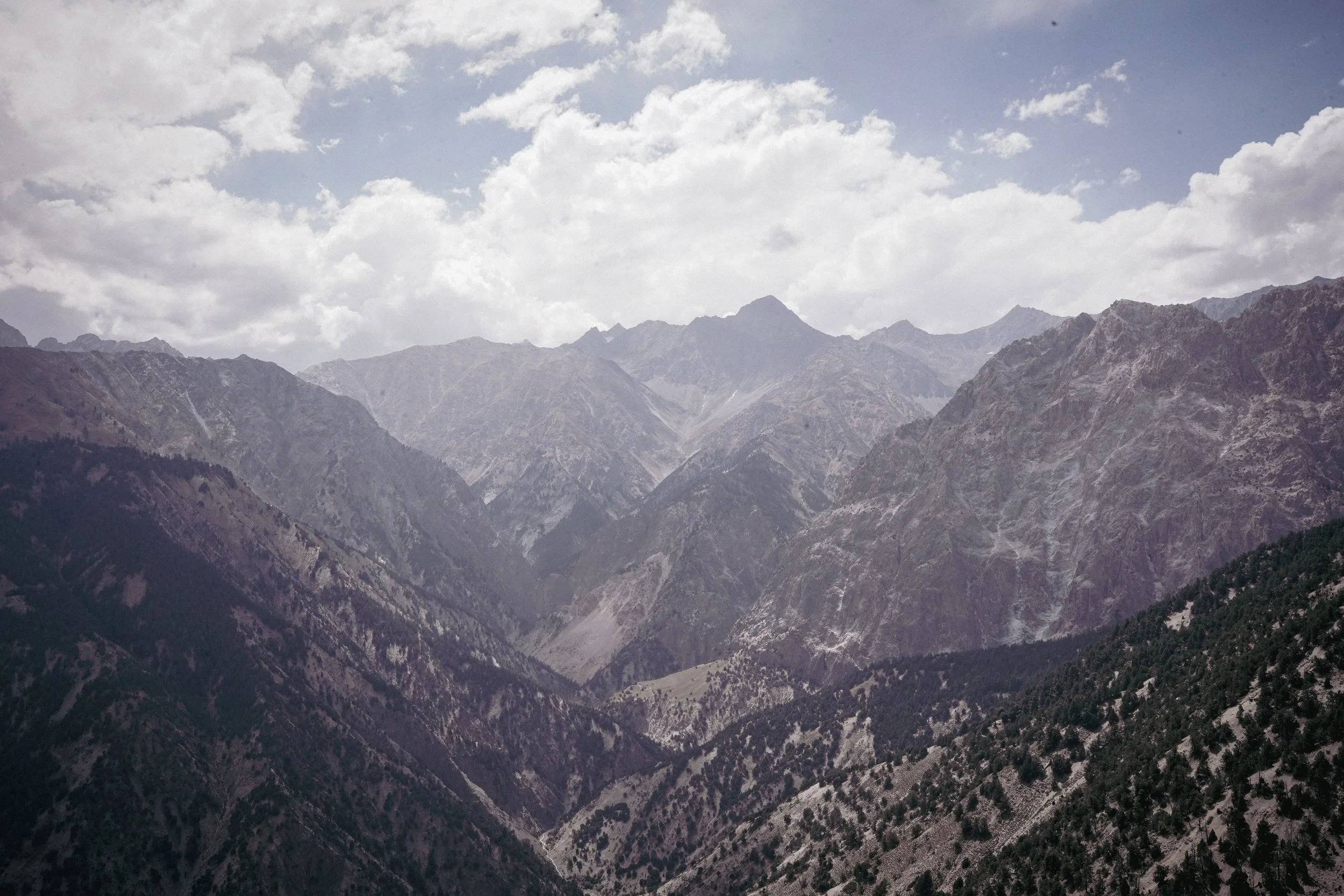
My Soul Recognised You غُرْبَة
In Arabic, gharīb — غَرِيب means stranger, outsider, one who is far from home. It shares its root with ghurba — غُرْبَة, exile, and ghurūb — غُرُوب, the setting of the sun. I think of this often: how estrangement can feel like evening light, something still present yet already moving beyond reach. Perhaps to love someone across distance is to inhabit this condition — not entirely lost, not entirely held, but suspended between departure and return.
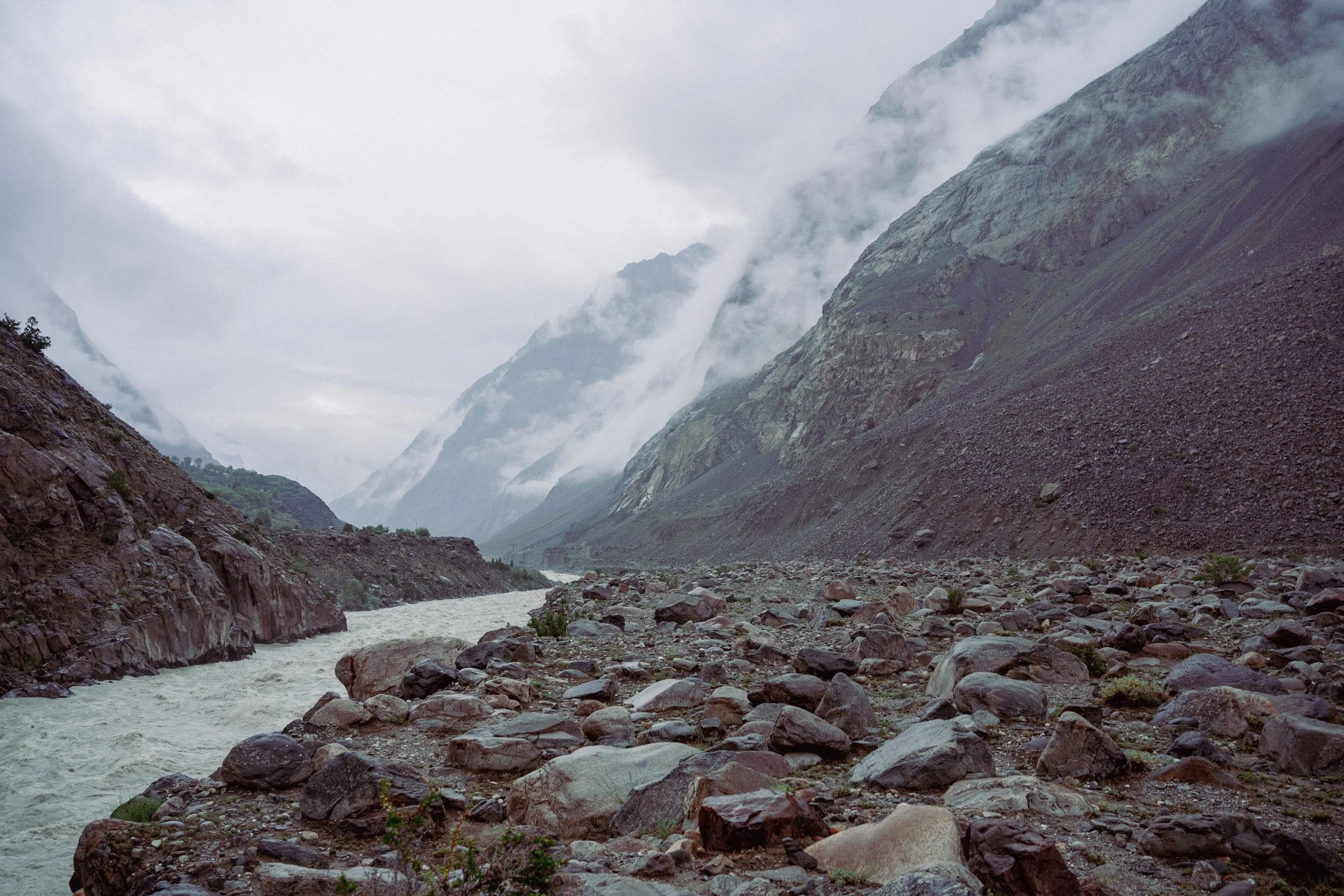
The Shape of an Absence تحریر
A poetic essay on grief, love, memory, and absence in Chitral, exploring how place, longing, and human connection leave a lasting imprint.
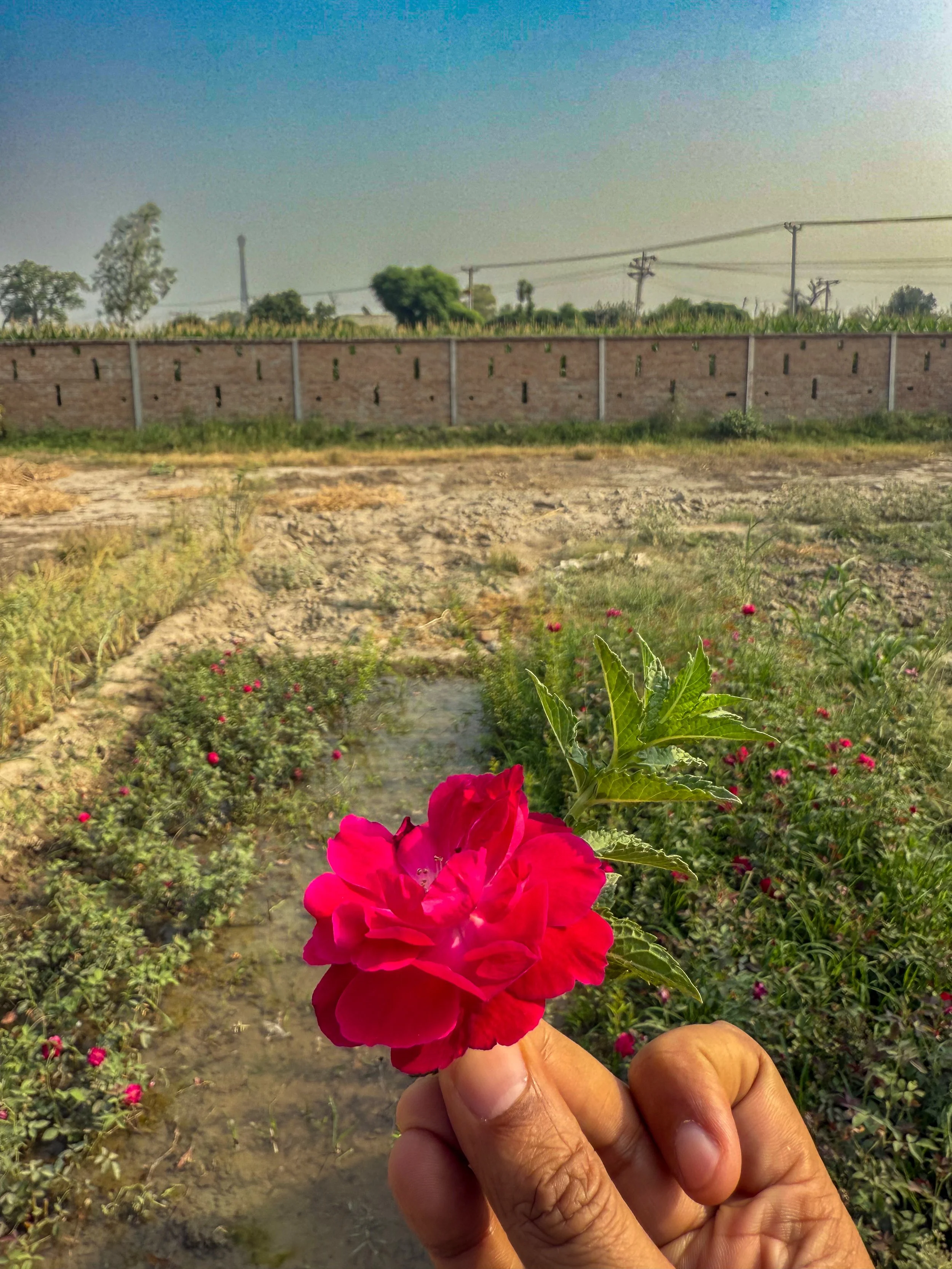
Zafar’s Land خاک
Between Sahiwal and Pakpattan, near the buried memory of Harappa and the shrine of Baba Farid, I return to my father’s land not to cultivate, but to sell. What begins as inheritance becomes heat, paperwork, family dispute, and grief — a journey through Punjab’s soil, where history, betrayal, and love are all quietly absorbed by the earth.
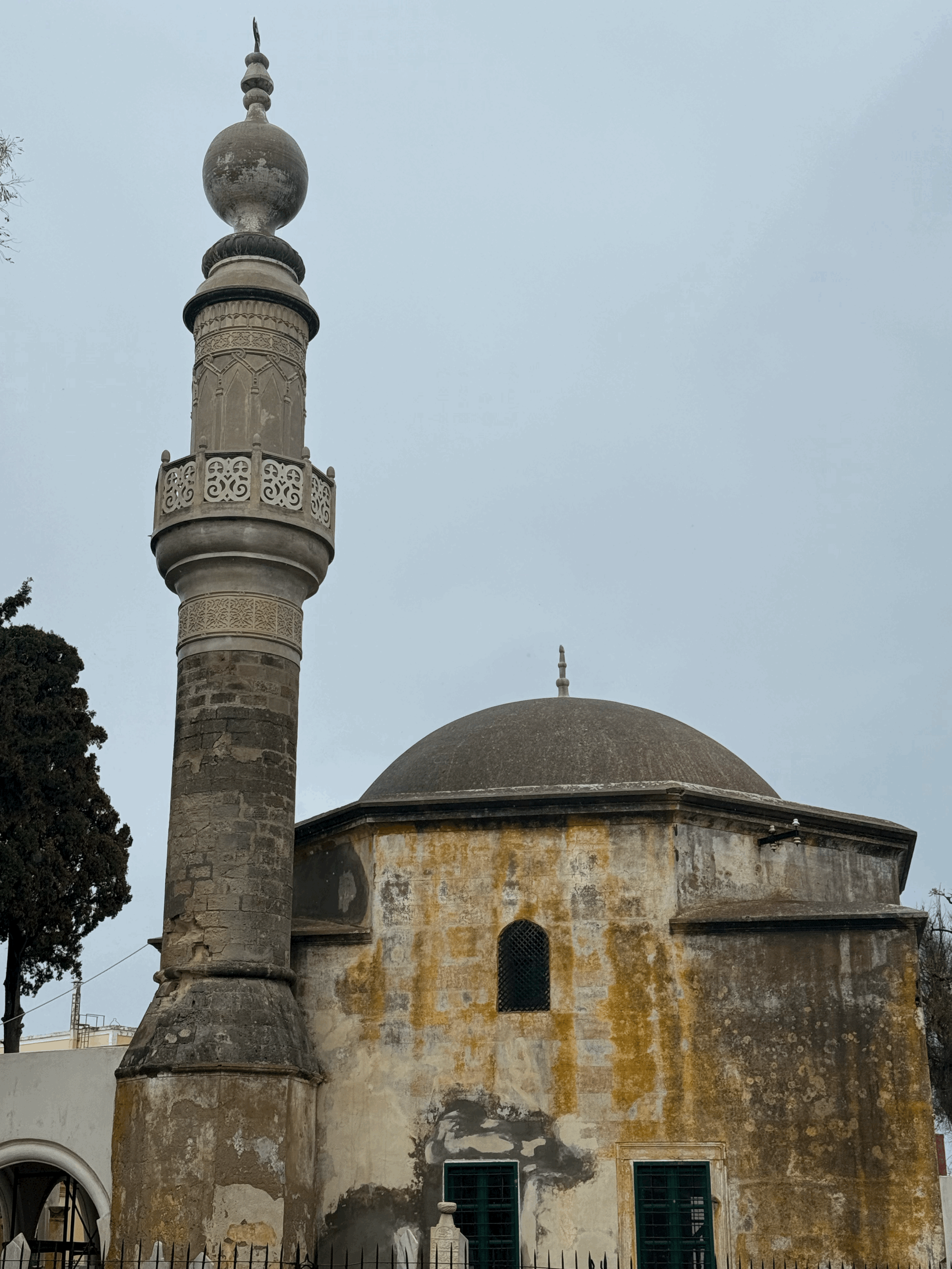
Rhodes, Facing East خوشبو
In the old city of Rhodes, the library of Hafız Ahmet Ağa stands like a whispered refusal to be forgotten. It carries the atmosphere of an older Muslim world — one built not for spectacle, but for learning, devotion, and the quiet, radical work of continuity.
The Sleeping Collection تپش
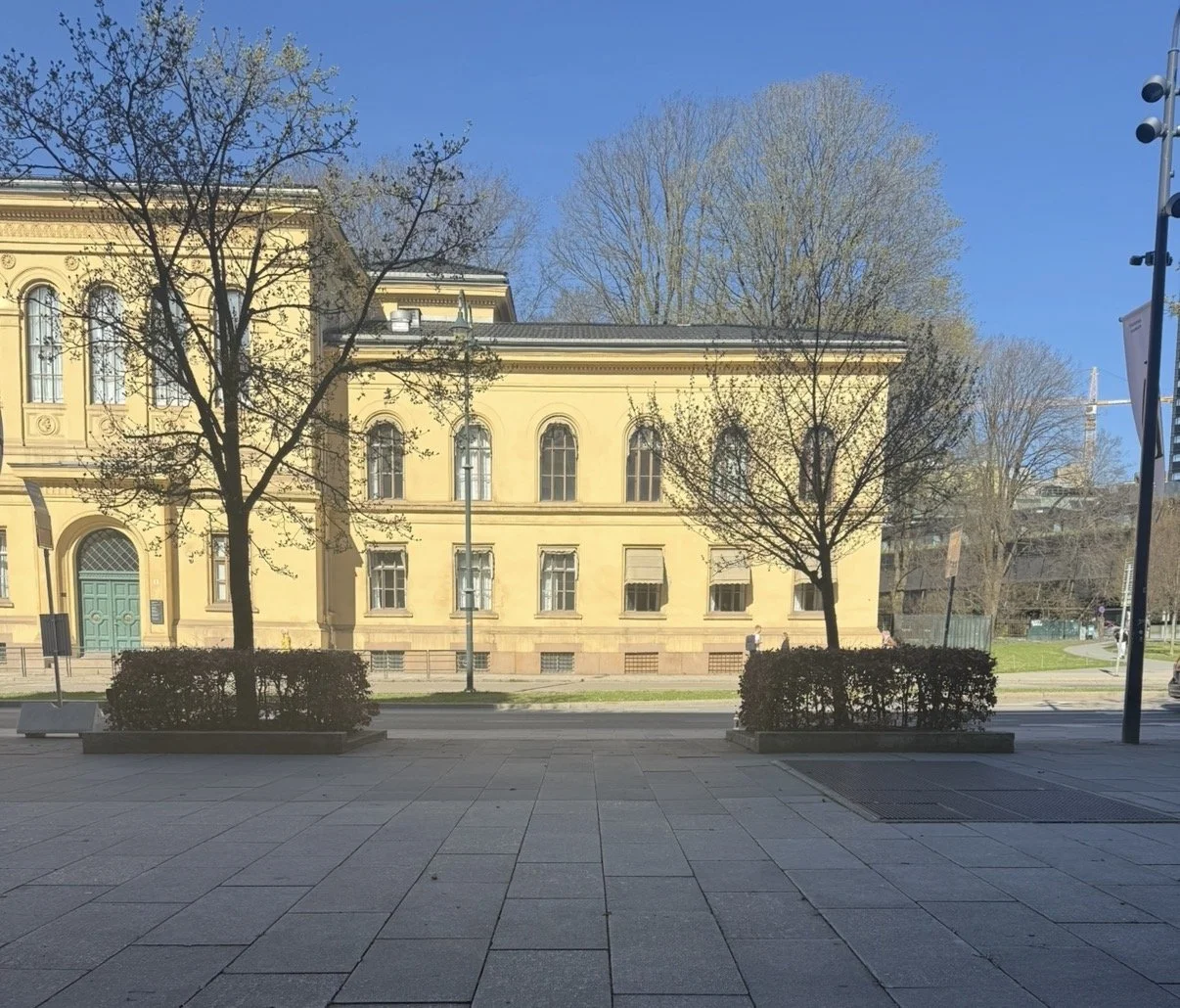
In Oslo, I found myself speaking about Pakistan as if trying to warm what the institution had long ago allowed to go cold — a small archive, a sleeping collection, a world half-forgotten yet still alive in cloth, memory, and the body.
The Border Refused Him دل آویز
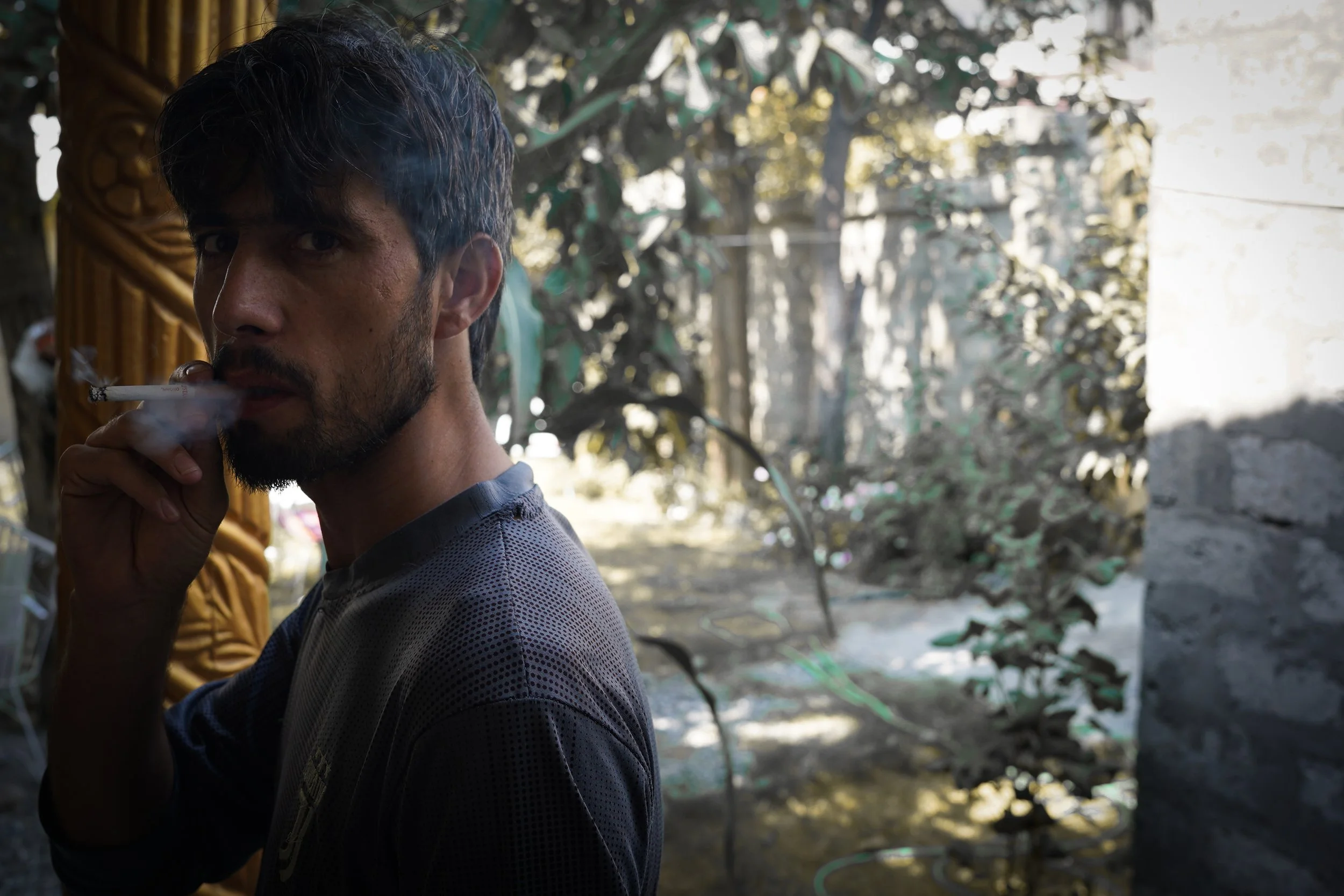
This essay is a first-person account of Zakaria, a Chitral-born man facing deportation to Afghanistan. Through small domestic intimacies—shared chai, borrowed clothes, fevered nights—it explores how borders erase what everyday tenderness builds, asking what it means when the state rejects someone a heart has already quietly chosen as family.
Let It Disturb تحَمّل
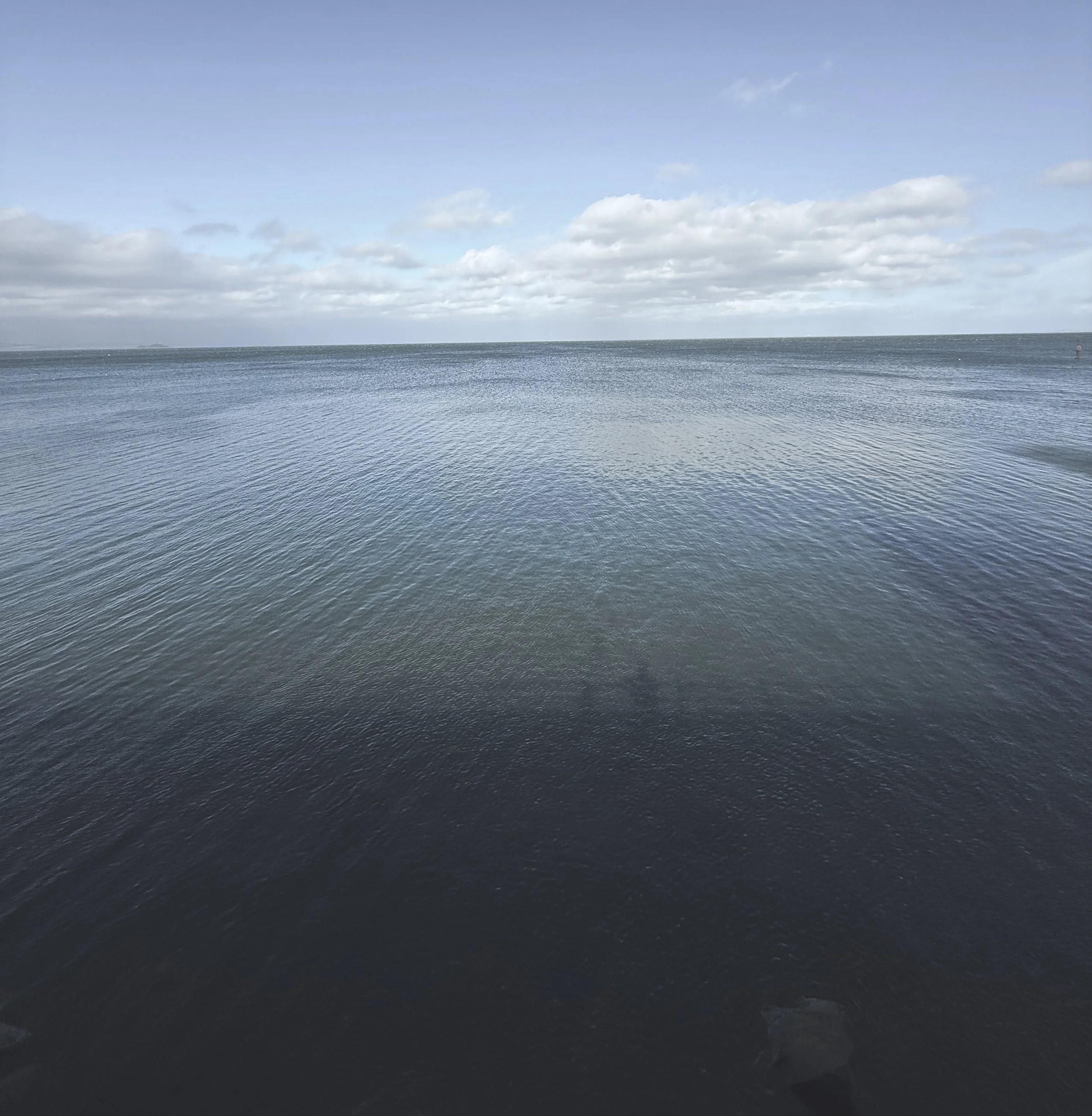
I wear my pakol tighter against the late-March Arctic wind, and against the gaze. In Edinburgh, a hat becomes an accusation—Mujahedeen, foreign, suspect. Yet it’s only wool, land, lineage. If it disturbs the eye, let it.
Son of the Faithful Witness کہکشاں
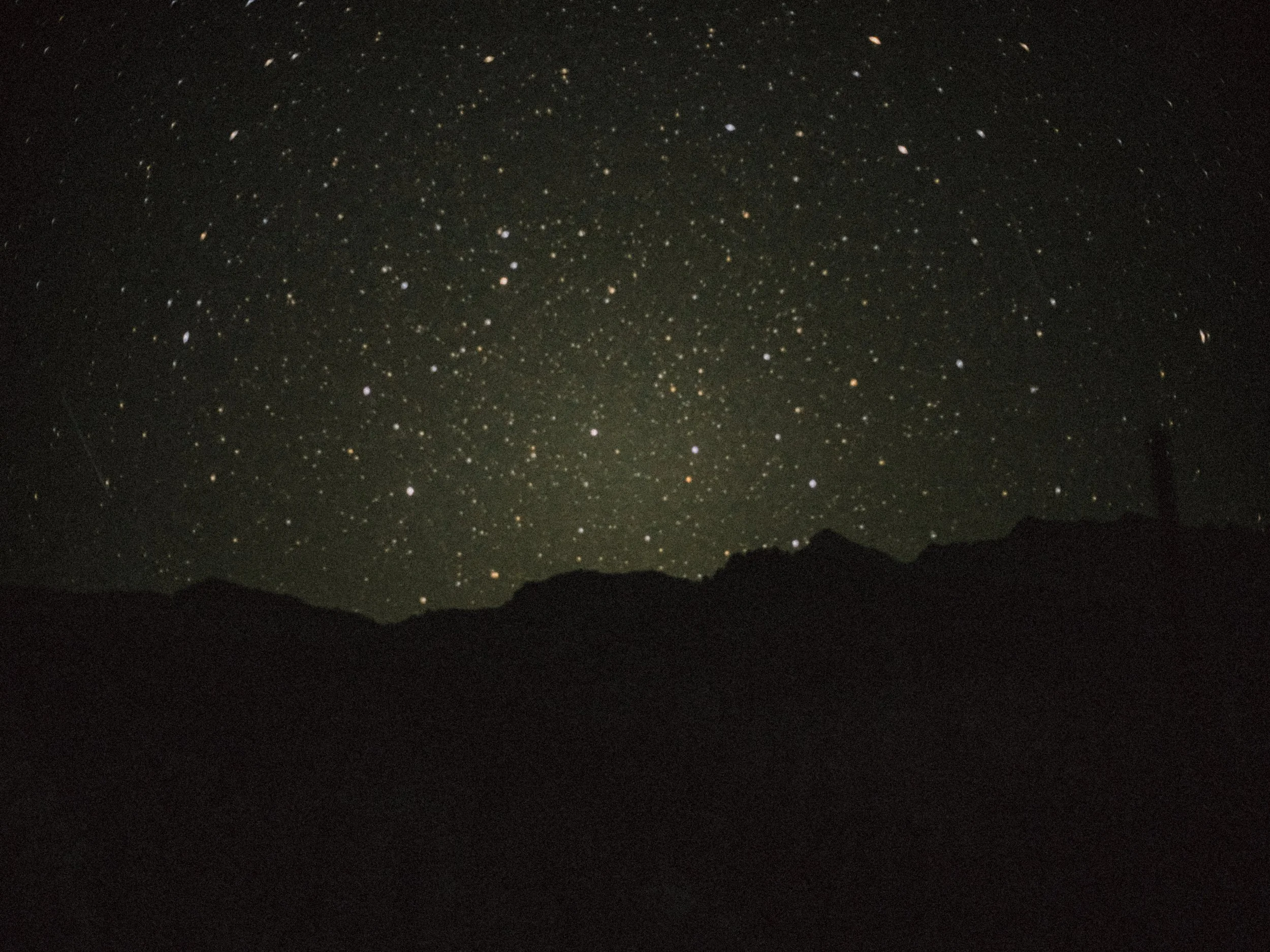
No patriarch made this life. I was raised by Shahida Perveen—breadwinner, disciplinarian, constellation of small refusals. In a Chitrali studio full of wool and river-noise, I trace her unseen architecture of care and rage, asking what it means to be a son of such witness.
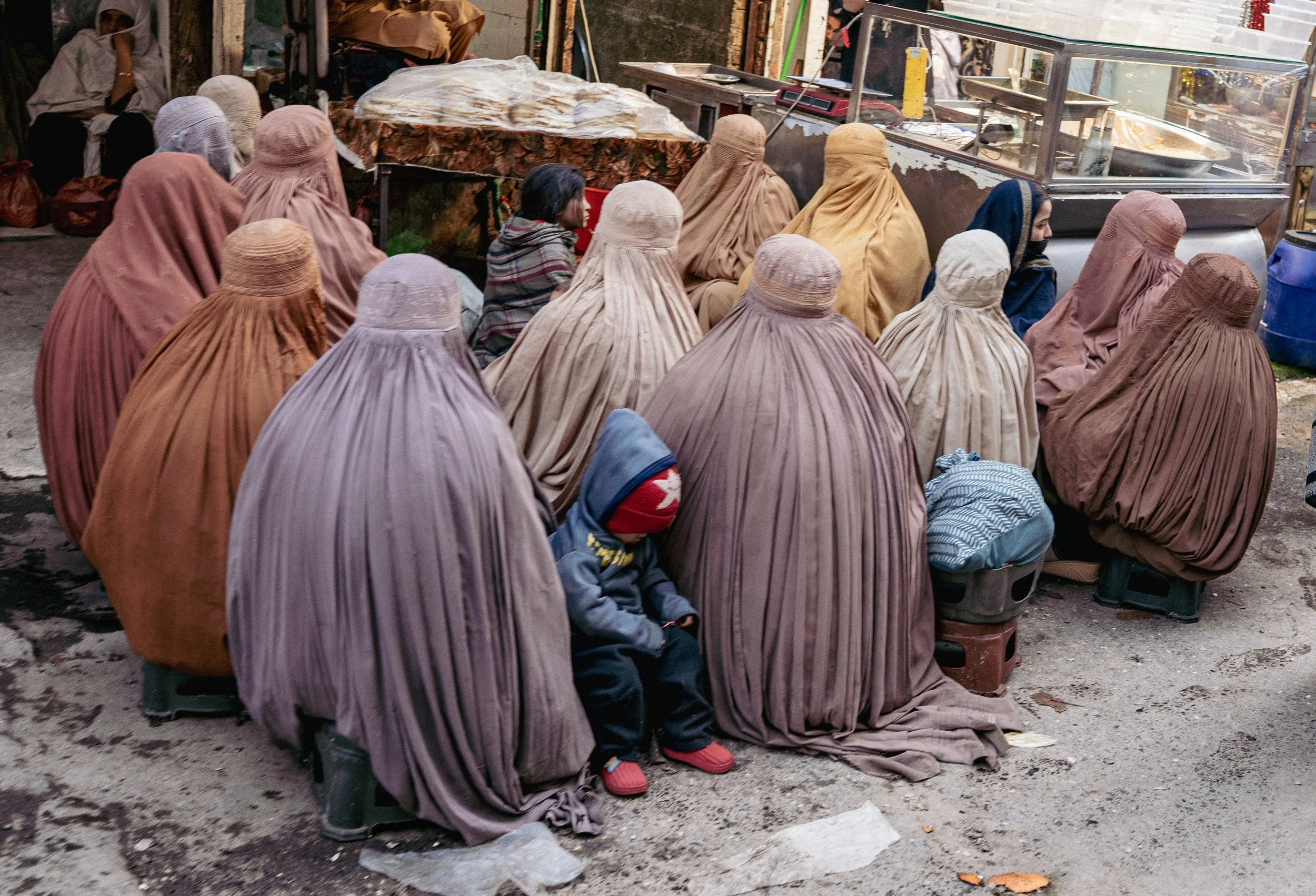
Peshawar, Bruised and Breathing
Among dust, chai steam and crowded streets, they glimpse a fierce tenderness, realising this is not a place defined by its wounds, but by the everyday courage with which it keeps moving forward.
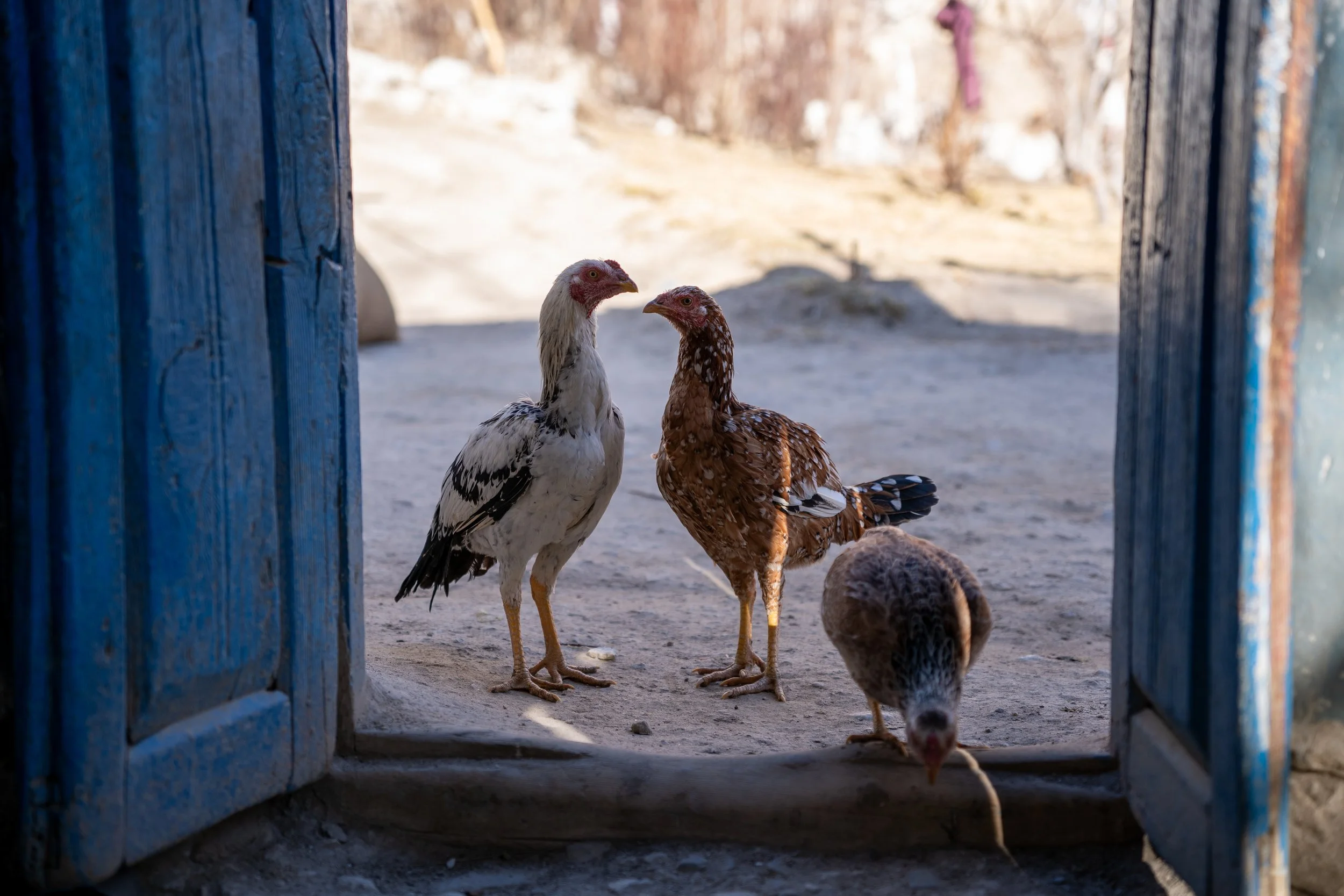
Against the Partition of Joy قفس
Amid backlash to a Karachi concert by Qashqarian, this essay defends mixed public joy, critiques gender segregation as control, and invokes Begum Rokeya’s Ladyland to argue for education, tolerance, and courage. It calls communities to build stages, not walls—letting Khowar, women, and men breathe together without fear, as ordinary citizenship.

تمنا Unbraiding
Set in Chitral, this essay follows a son and his visiting mother: thinning hair, jasmine oil, Quranic recitation, and kitchen rituals turned tender acts of care. Between longing and faith, they inhabit an unspoken country—binding memory and desire, absence and presence—quietly practicing love through order, patience, and daily gestures.

زرنگار White Gold - A Pastoral Constellation
White Gold is a pastoral constellation—handwoven cloaks from Chitral to Scotland, botanically dyed and lit with goldwork. Not costume but cosmography: garments as portable altars, carrying pasture’s scent and the shimmer of night. Step onto this bridge of wool and light.
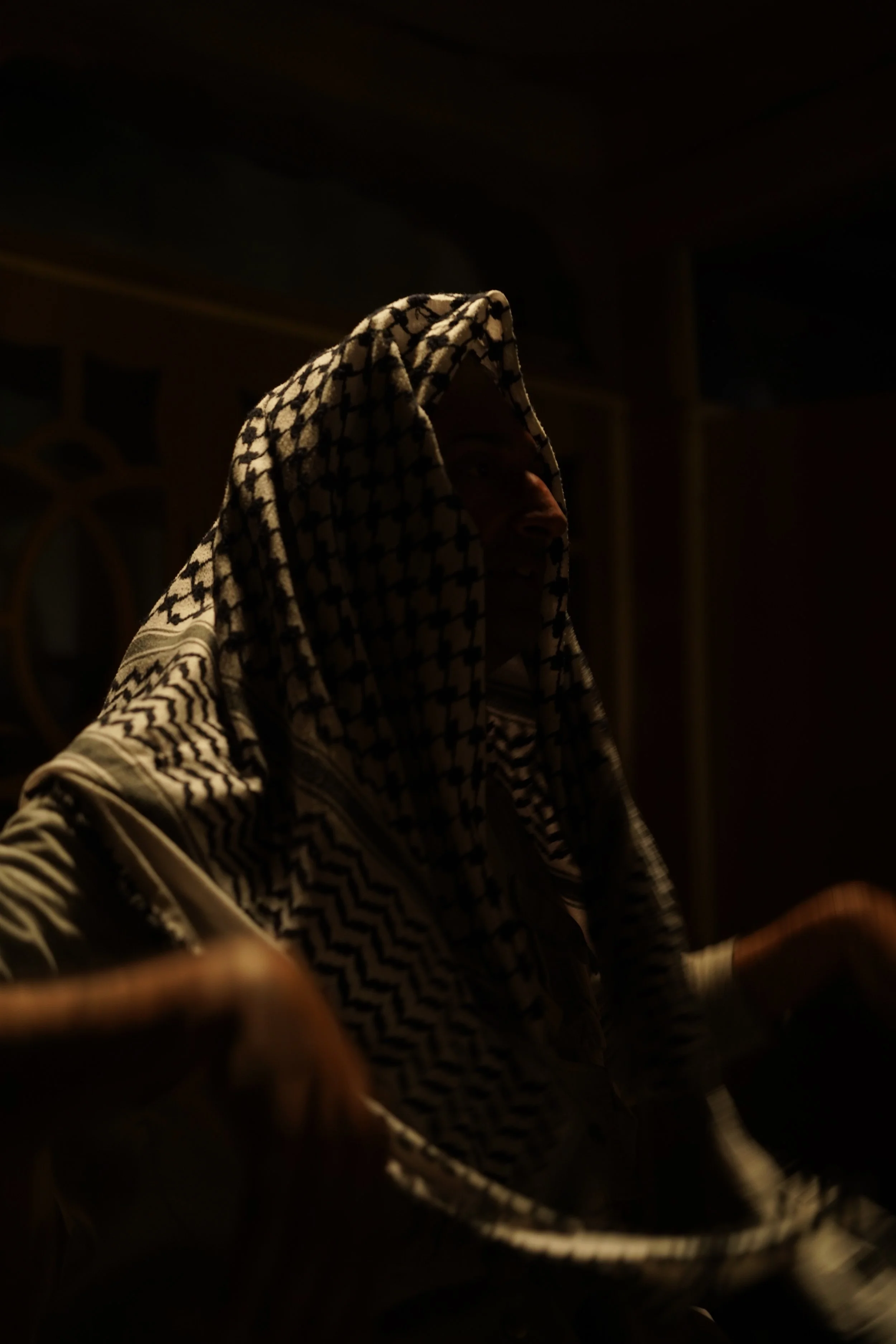
سرکشی Let the Scanners Fail
Unknown eyes barcode me at the border: permissible? passable? I used to rearrange my face, staging light to backpay the years of being looked through. Loneliness learned my ribs like weather. Now the gaze reverses. No permissions. Let the scanners fail—I enter with a loud, untranslatable heart.

پُرْوا Between Hawa and Wind
In the hinge between English and Urdu, hawa lays a hand on the neck. I came north in 2009 to study embroidery; Attabad rewrote the pattern. Fifteen years on, I read rivers like textiles—beauty as system, craft as ecology. Change the pattern before the river does.

آزادی : Stateless in a Valley of Flags
From Chitral’s Hindu Kush valley, this essay asks who ‘آزادی’ is for. As Pakistan marks 78 years of independence, a friendship with Zakaria—born here, raised by Afghan refugee parents, denied nationality—reveals how suspicion and paperwork can erase a life. Between bread ovens, river light, and a portable family laid on a dastarkhwan, the piece traces the everyday labours of belonging and the quiet courage of being stateless. It is a call to widen the circle: to turn flags into rights, neighbours into kin, and borders into bridges.

اجداد Echoes Along the Silk Road: Uyghur Heritage and Philosophy in Kashgar, Hotan, and Yarkand
Across the shifting sands and ancient paths of Xinjiang, nestled among soaring mountains and vast deserts, lie cities that once resonated as vibrant crossroads of the Silk Road—Kashgar, Hotan, and Yarkand.

شہ رَگ Tehran Burning: Elegy for a City of Poets and Dreams
A searing reflection on the assault against Tehran, Tehran Burning mourns the attack on Iran while evoking the soul of a city steeped in poetry, resistance, and ancestral memory

عزیزِ مَن The Symphony of Cihangir: Echoes of Light and Longing
Cihangir is a place of contradictions—a quiet symphony of scent, sound, and memory. Here, the call to prayer blends with jazz, and history lingers in the salt air. A sanctuary of solitude and discovery, it teaches love, loss, and return, weaving the sacred and the ordinary into something eternal.

وَطَن Vataan: Tracing Gold Dust
Home lives in taste, scent, and touch—the sweetness of mango murabba, the crunch of mishri, the dust of Sahiwal’s fields. In diaspora, vataan lingers, threading itself through prayers, memories, and meals. We carry it always, a golden shimmer of belonging, never fully here, never fully there.

بےخبری We Let Them Rot
A dead dog lies curled in the dust of Chitral, unnoticed, unmourned. People pass by, heads bowed in prayer, hands open in supplication—yet they do not stop. It asks: what does it mean to witness suffering and look away?